
Chemical-free products for Indian homes, checked one ingredient at a time.
Everything is made of chemicals, water included, so "chemical-free" on a label tells you very little. What people usually mean is free of the ingredients with a poor safety record: parabens, SLS and SLES, phthalates, synthetic fragrance, triclosan, formaldehyde releasers, mineral oil, PFAS, BPA, BHA and BHT, and a few more.
That is the test we use. A product is listed here only if its maker publishes the full ingredient or material list, and nothing on that list falls into one of our 15 flagged groups. Then you buy it straight from the maker, at the maker's price.
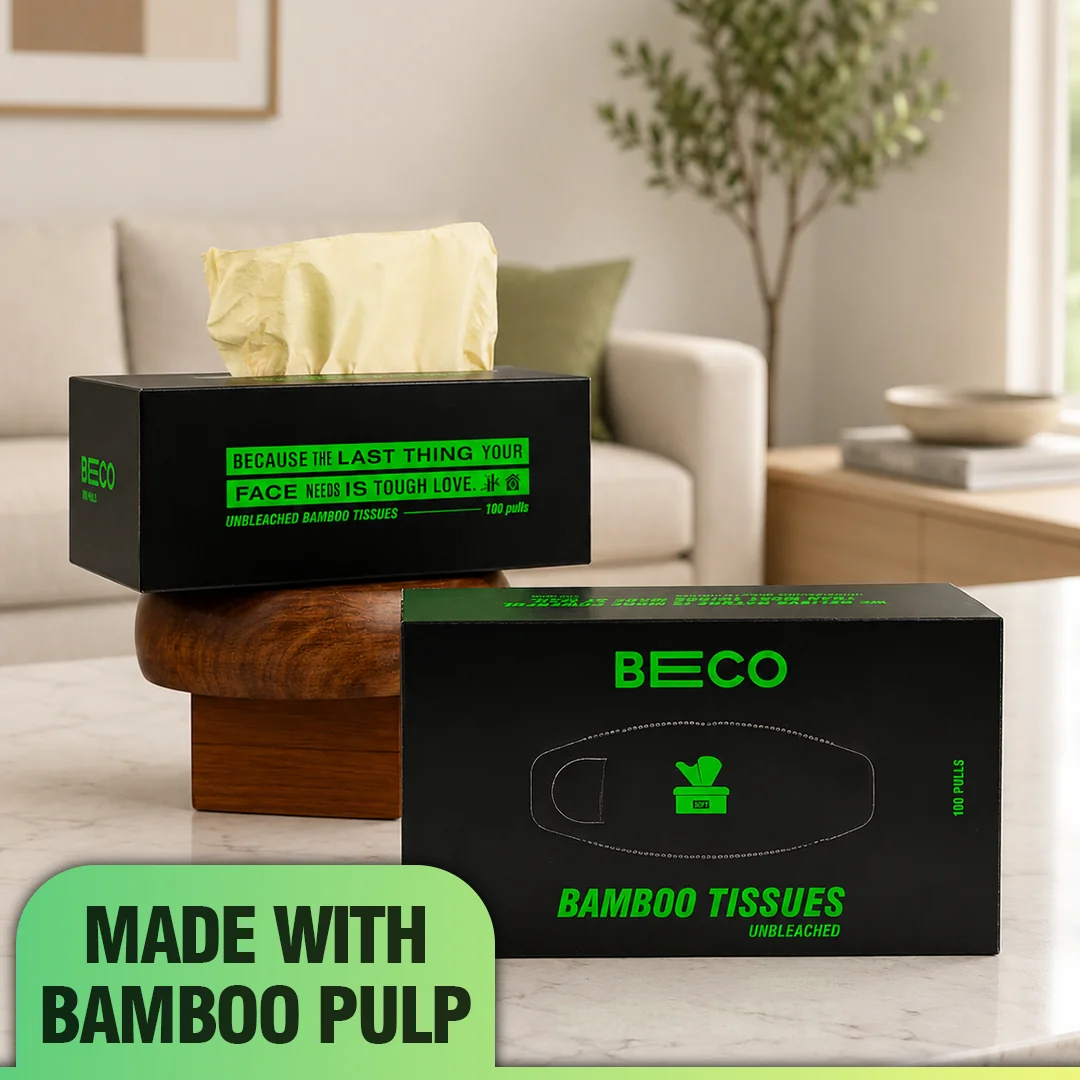
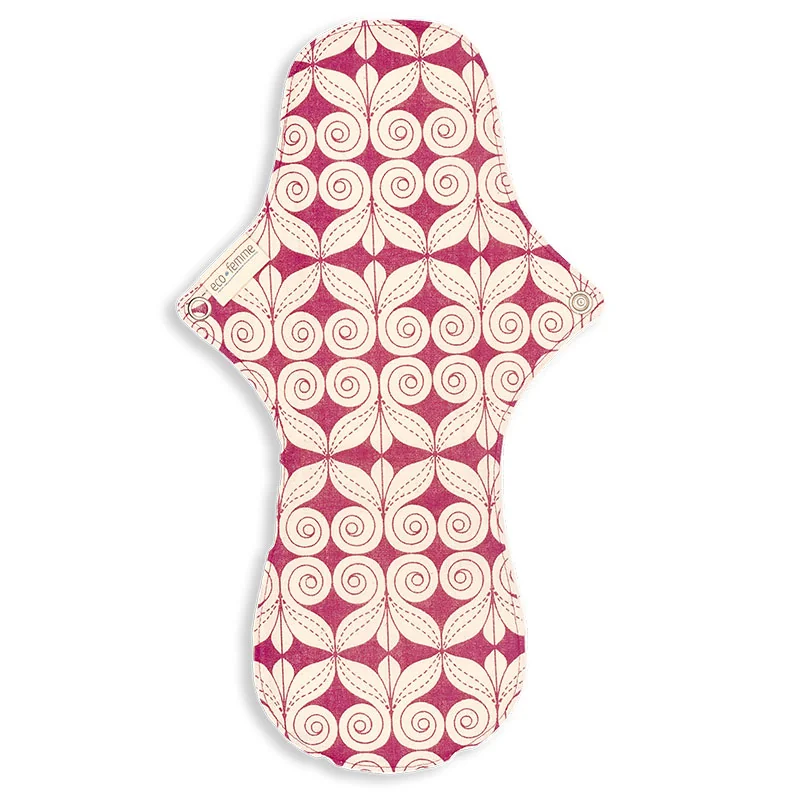
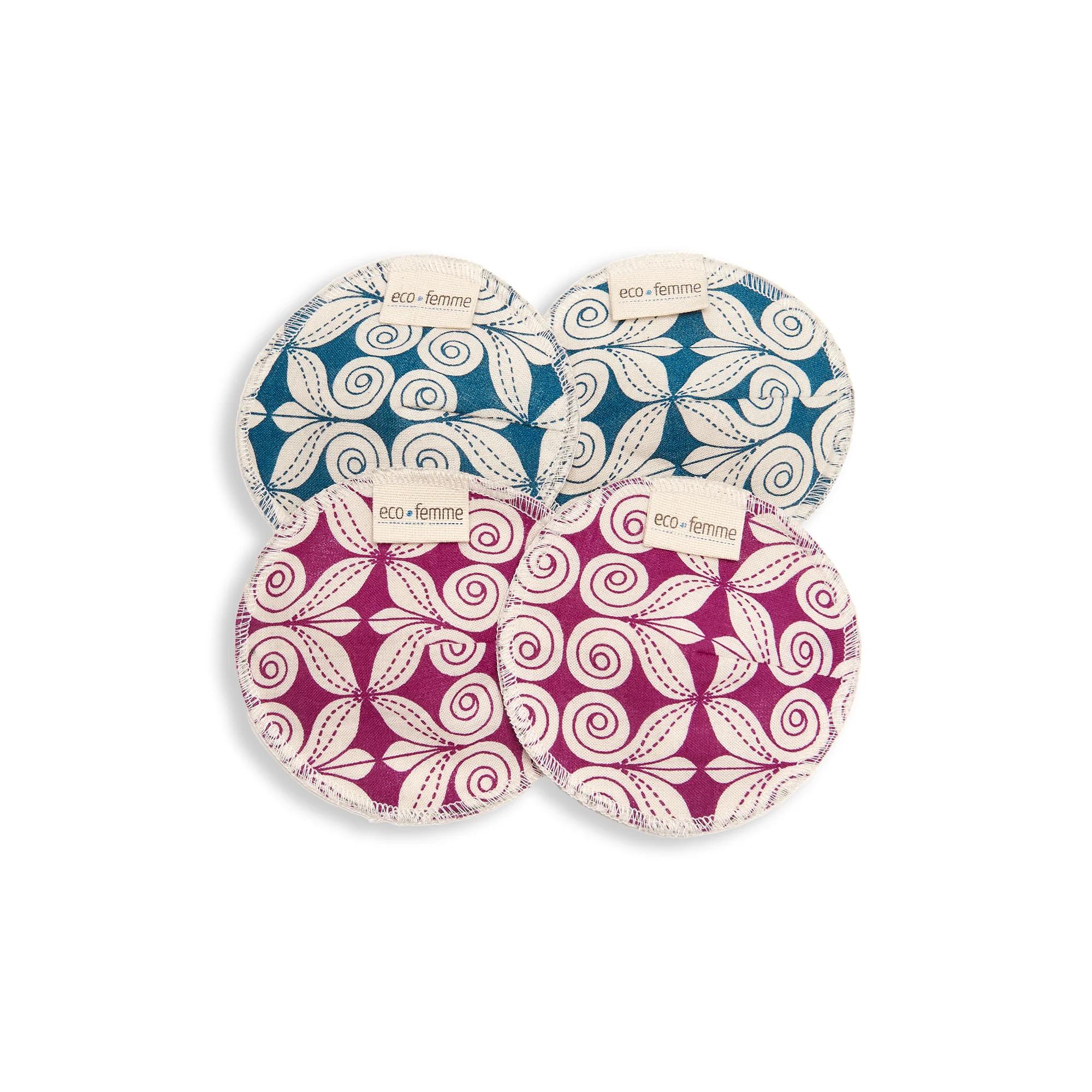
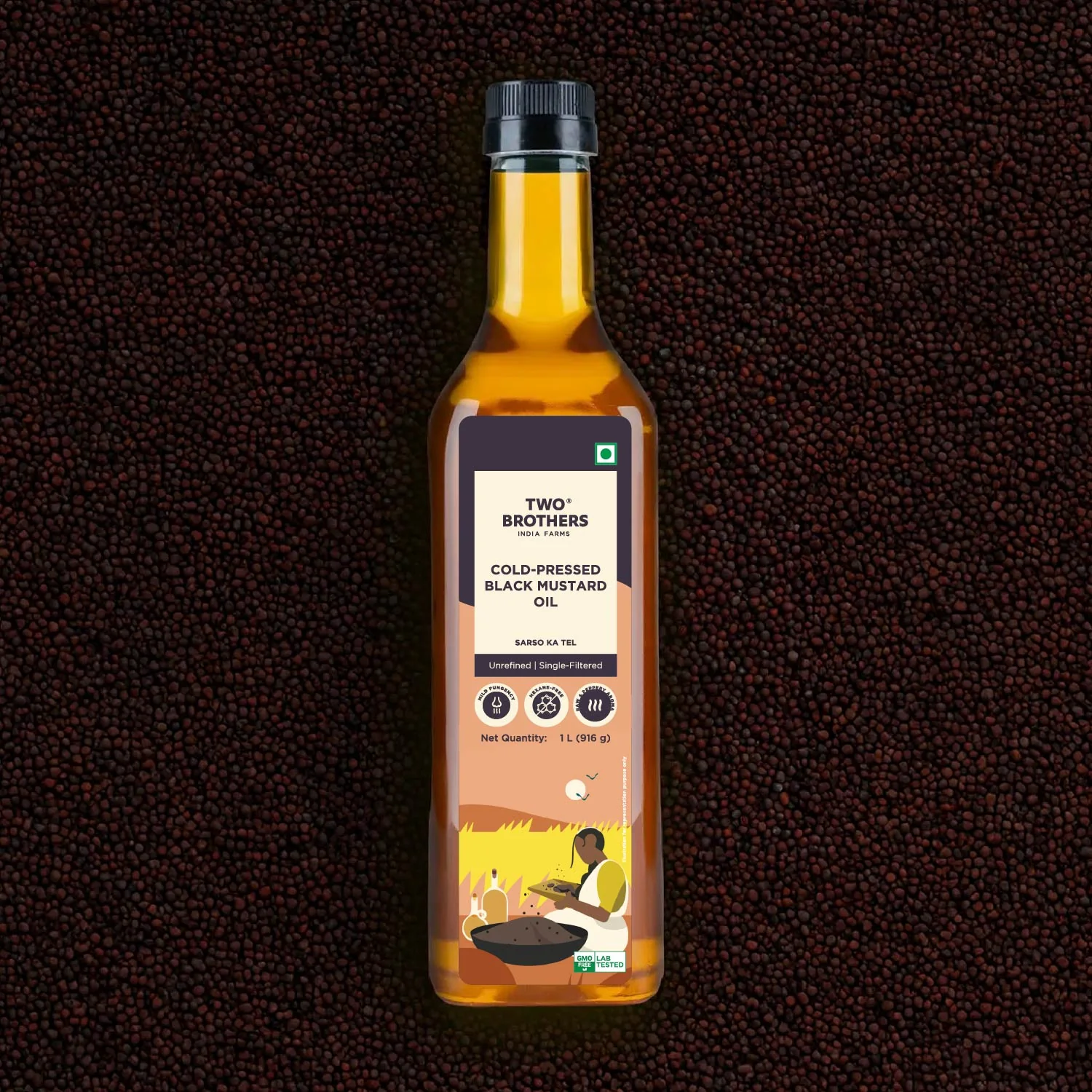
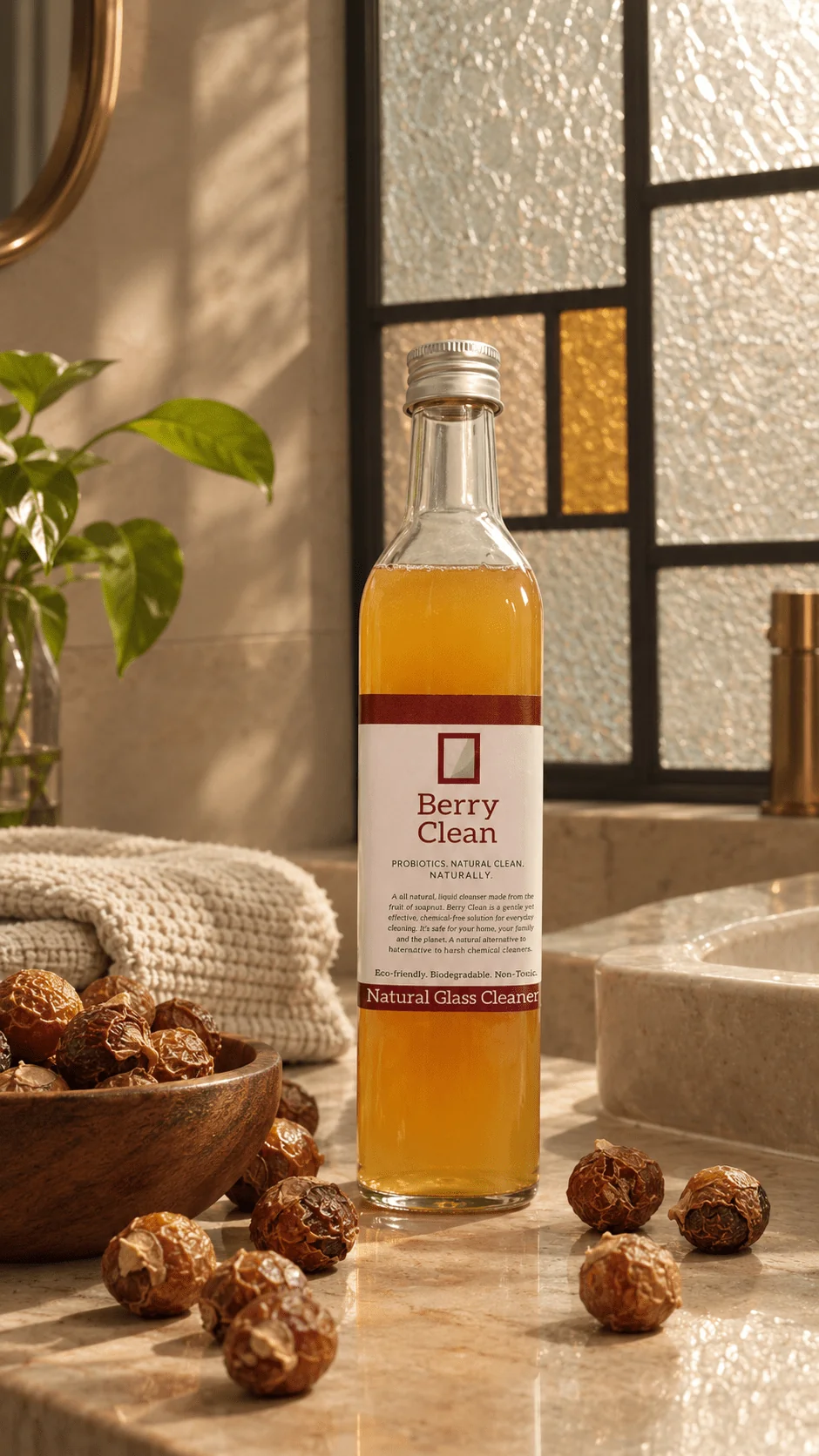
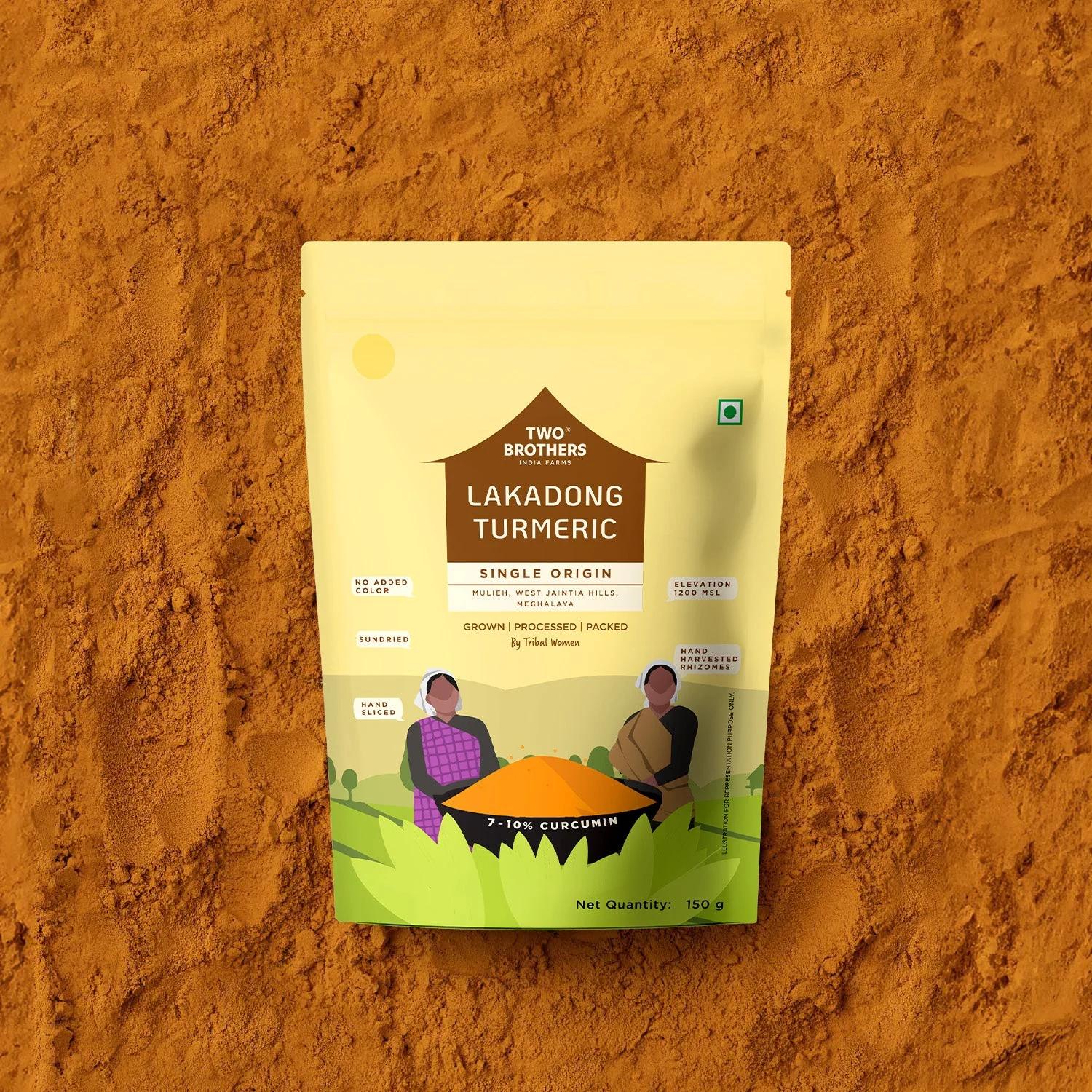
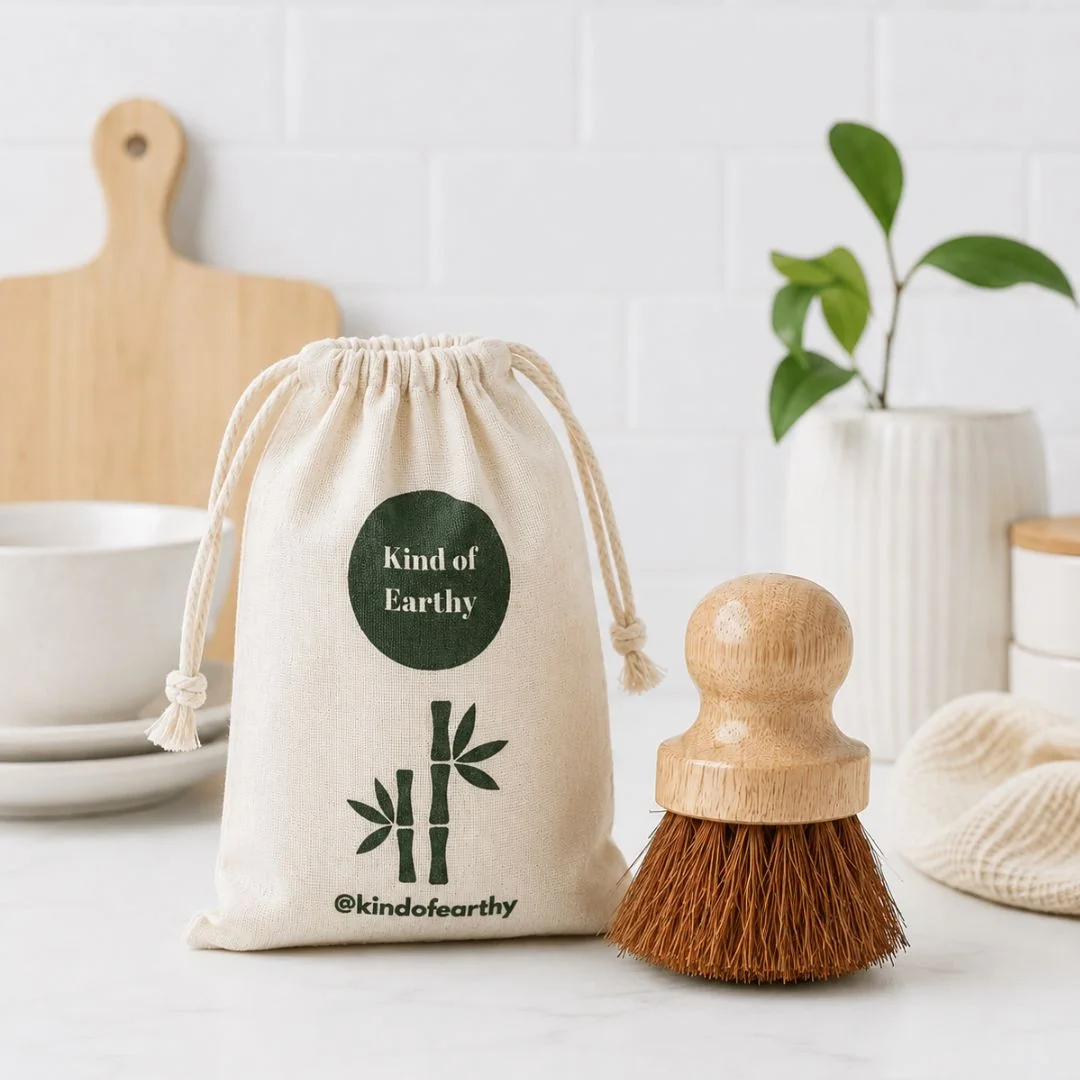
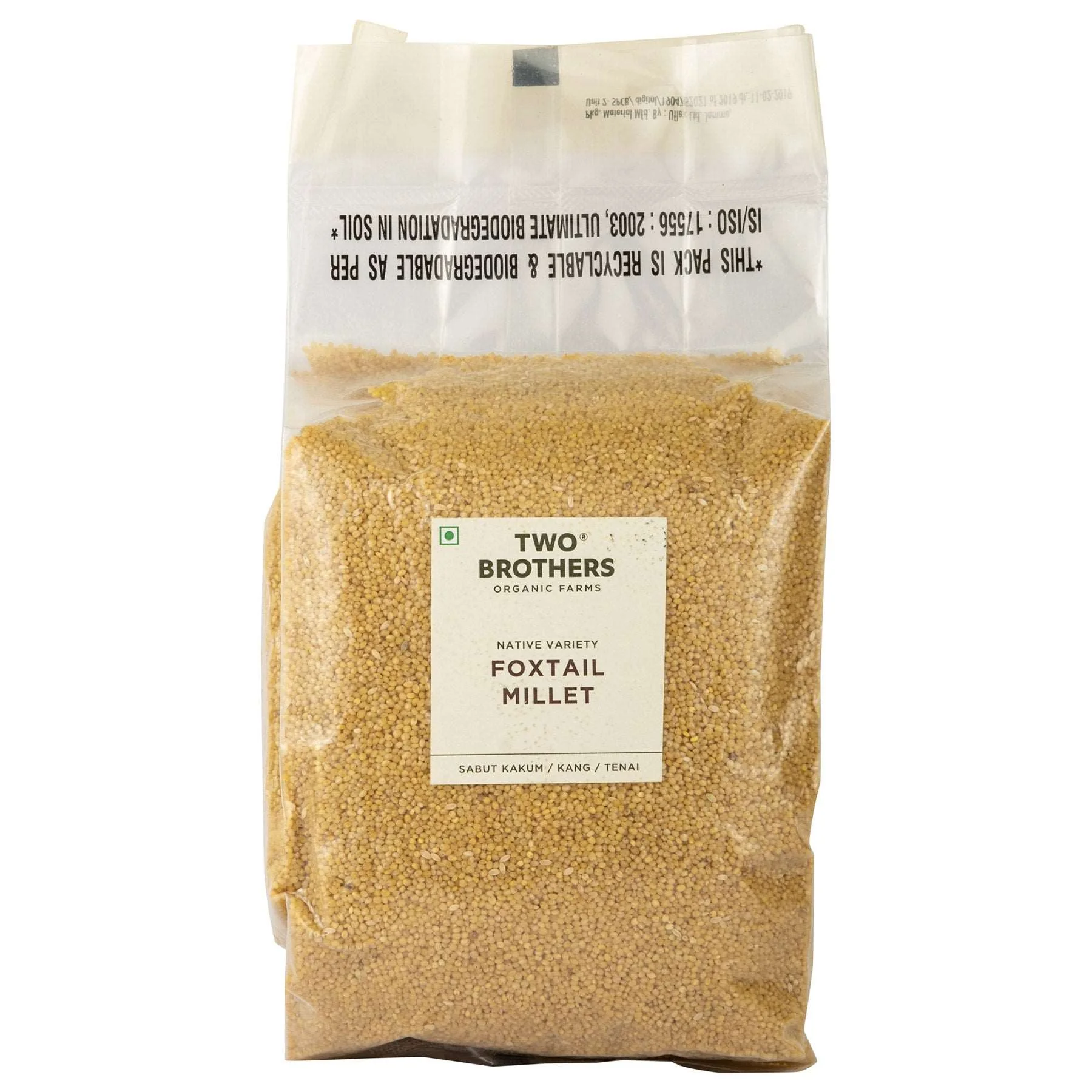
The checked picks.
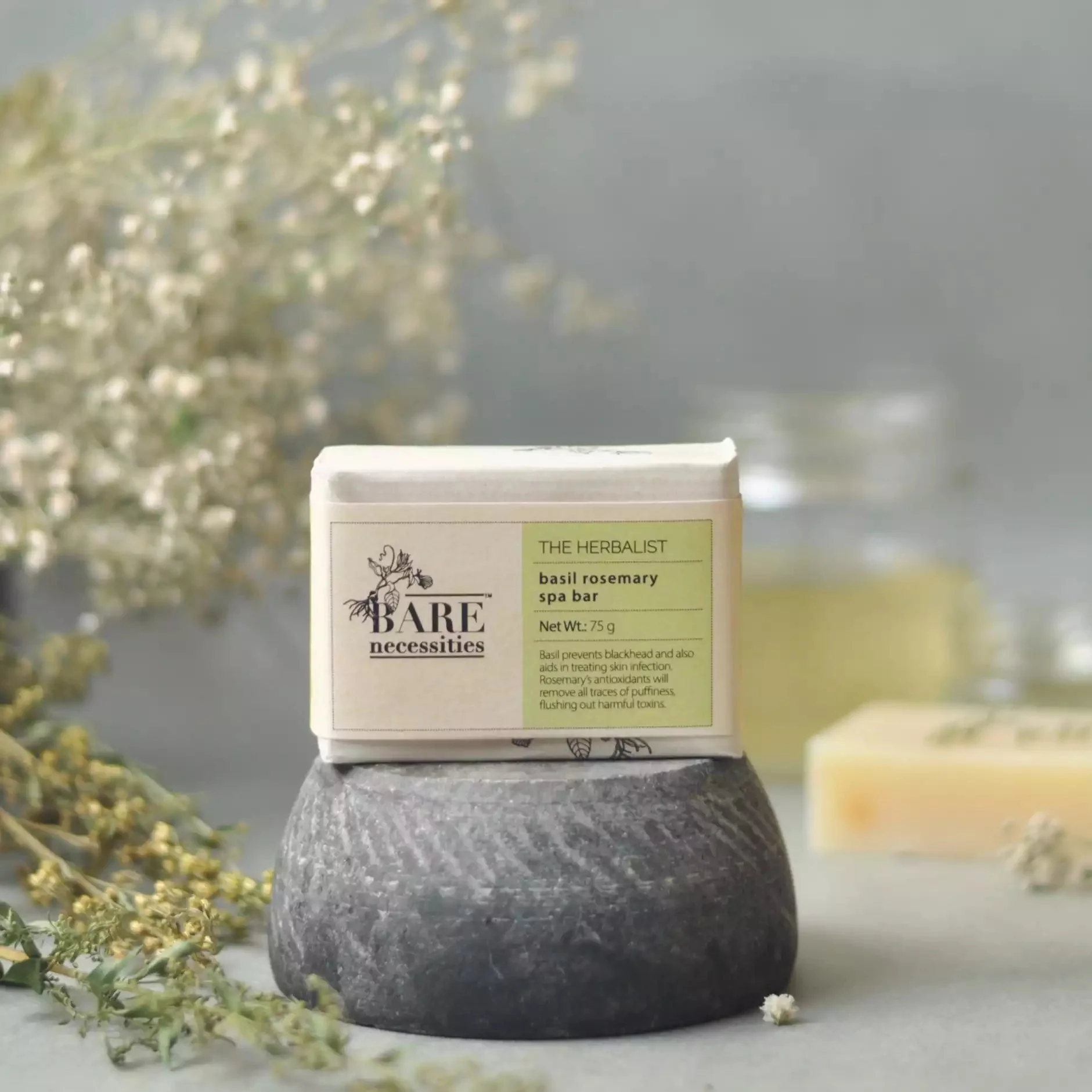
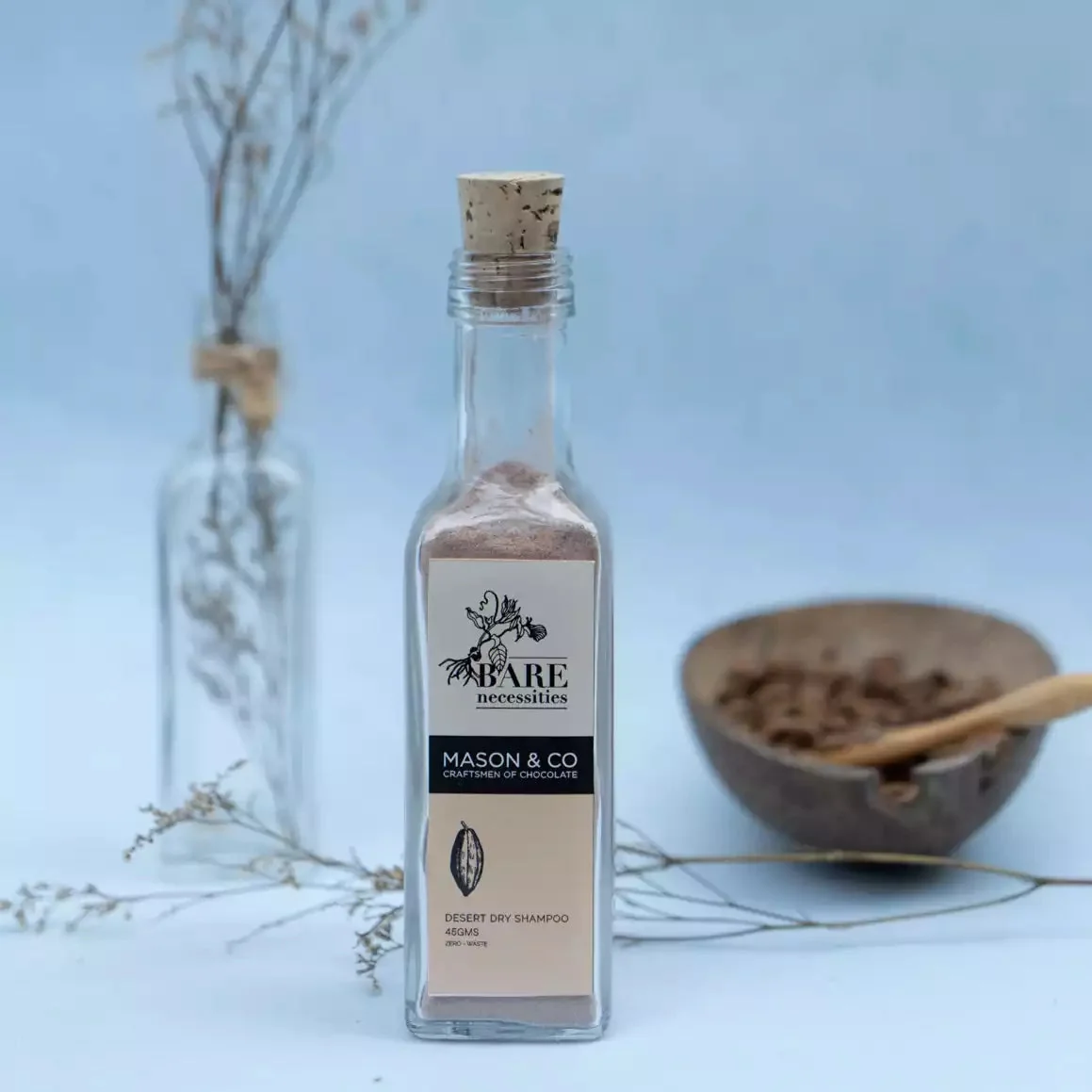
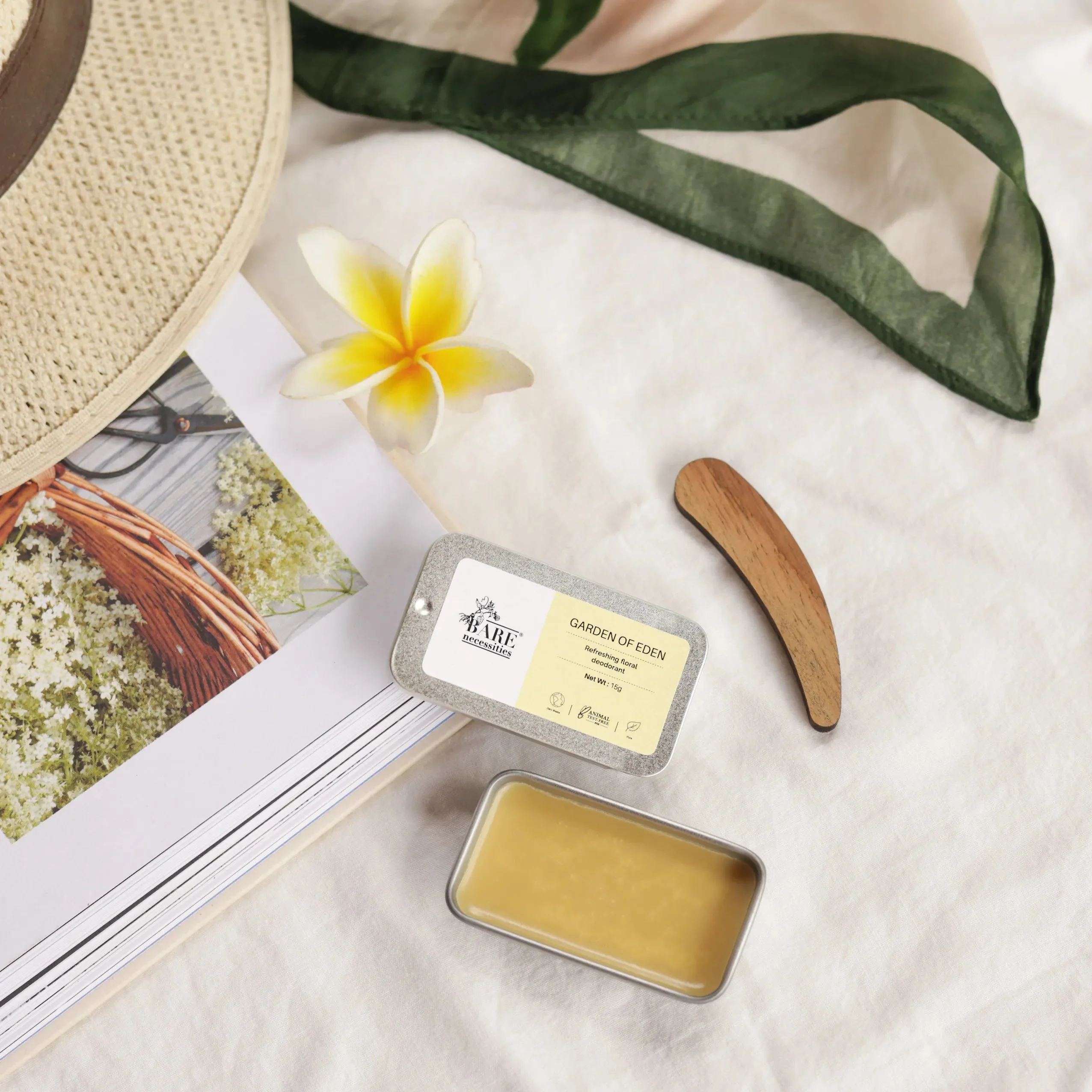
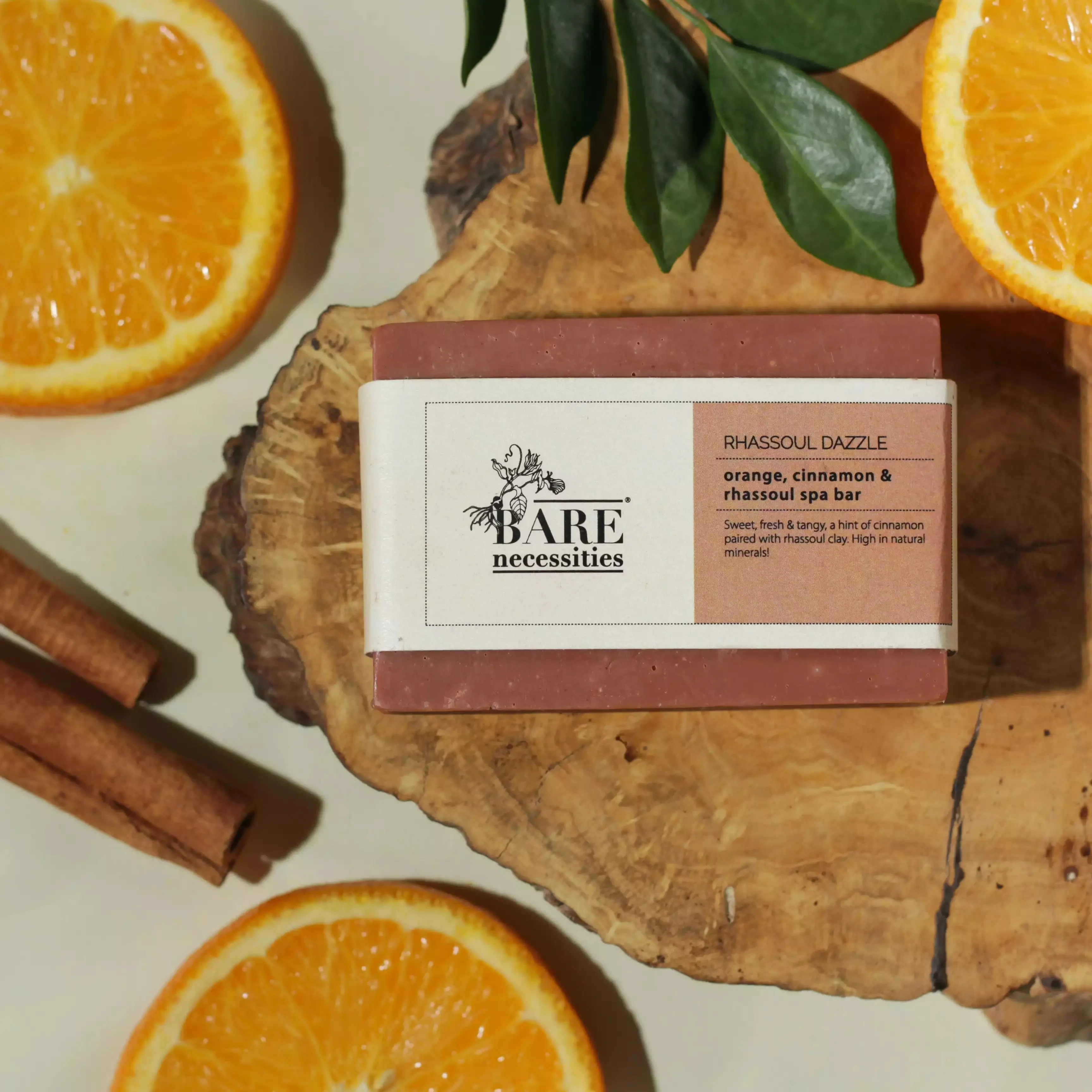
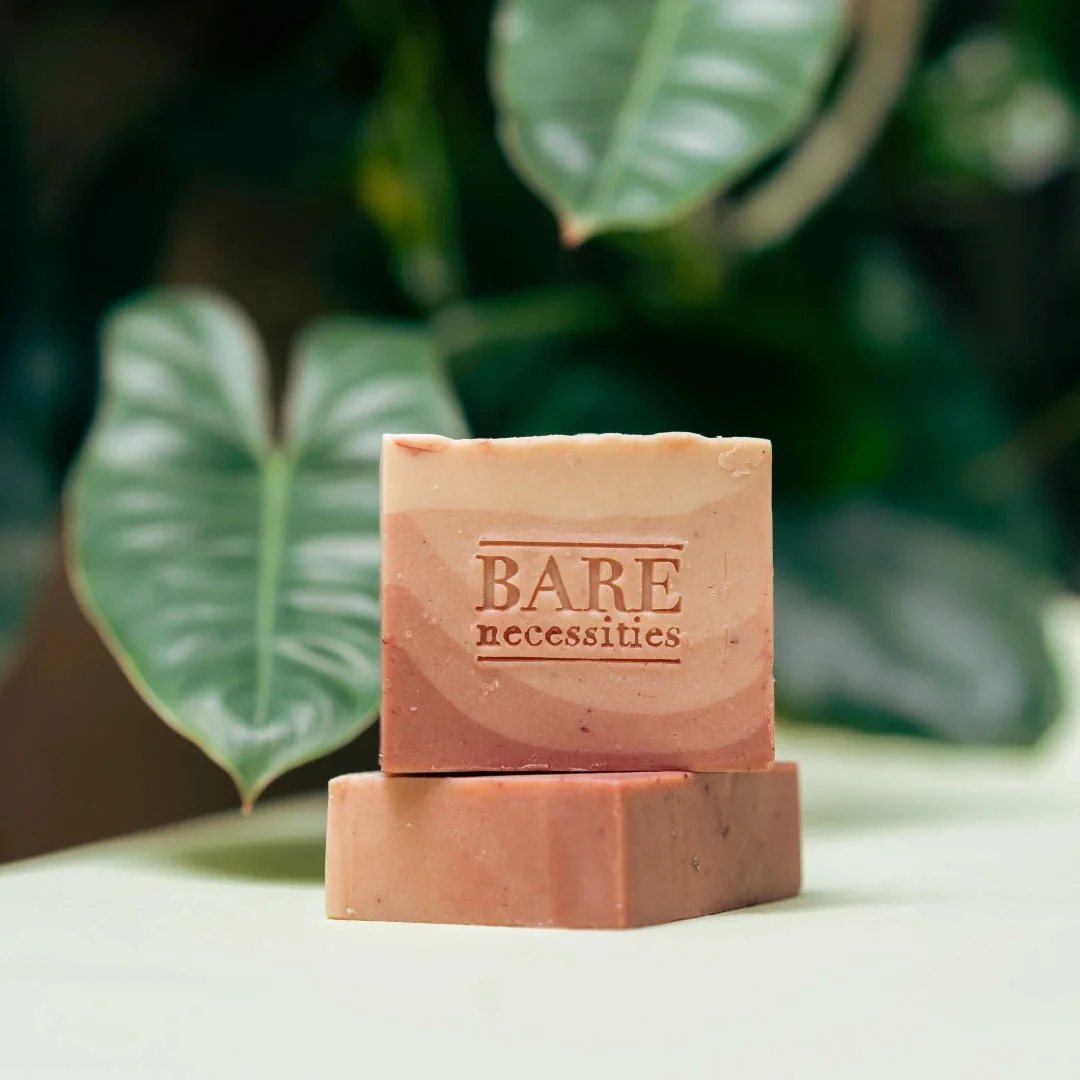
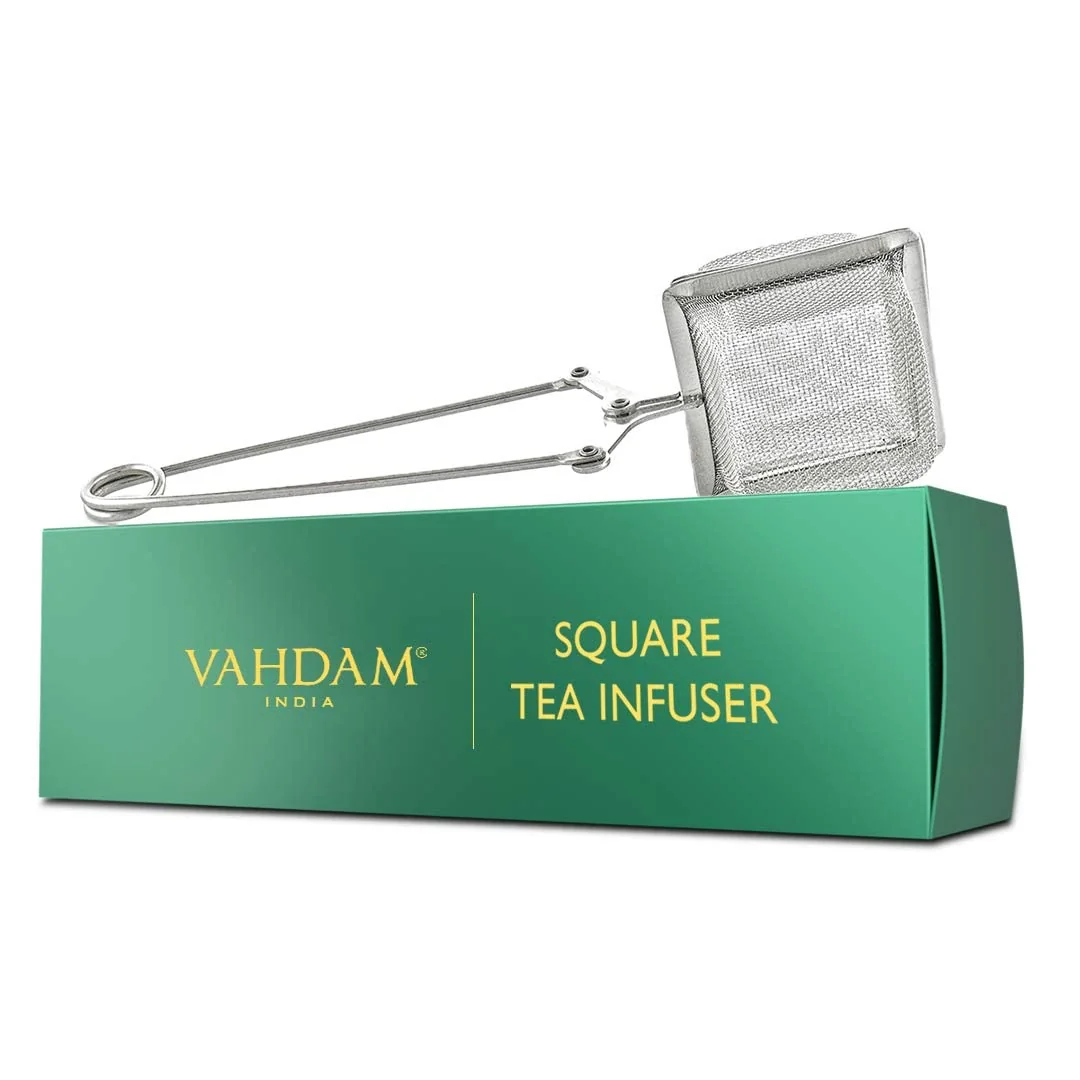
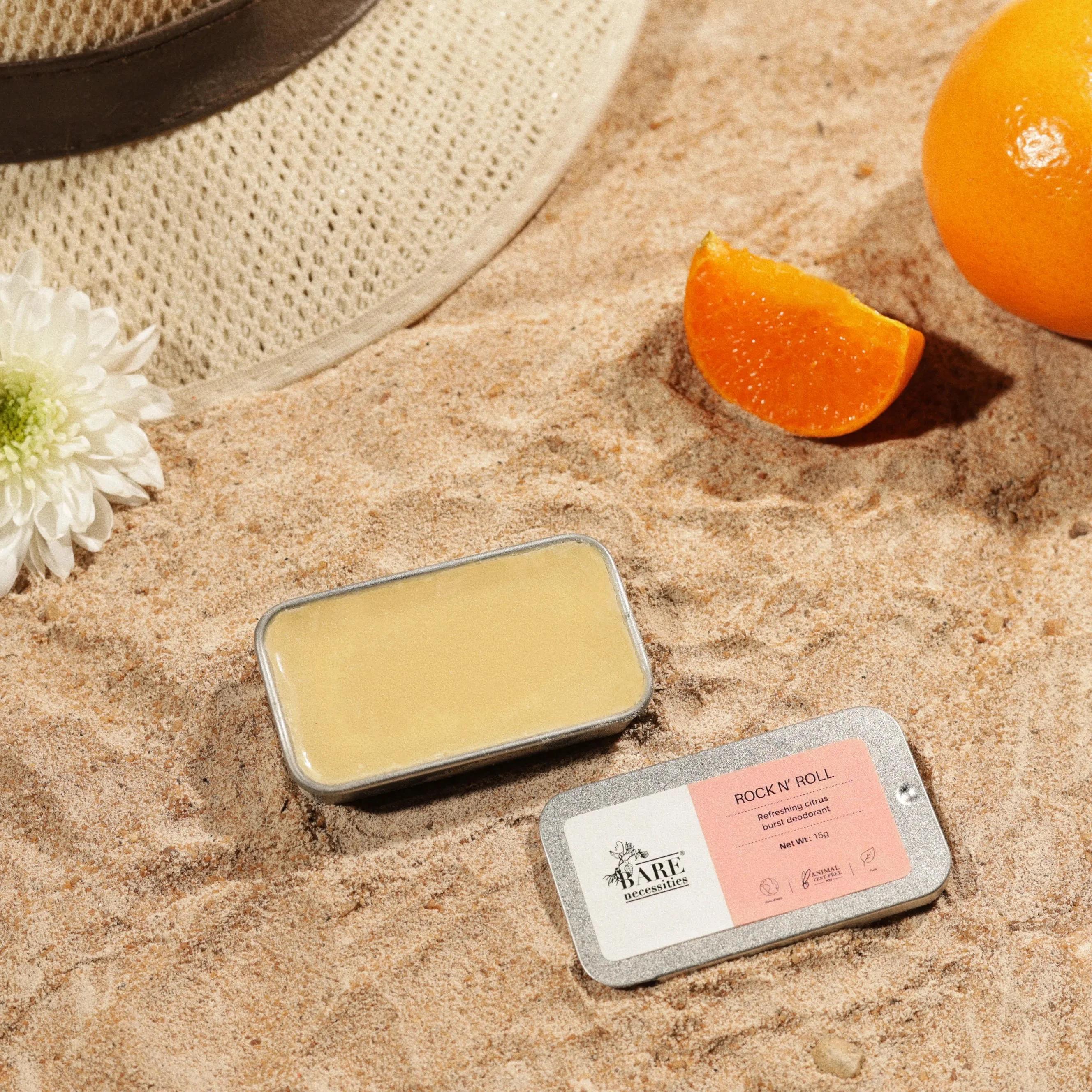
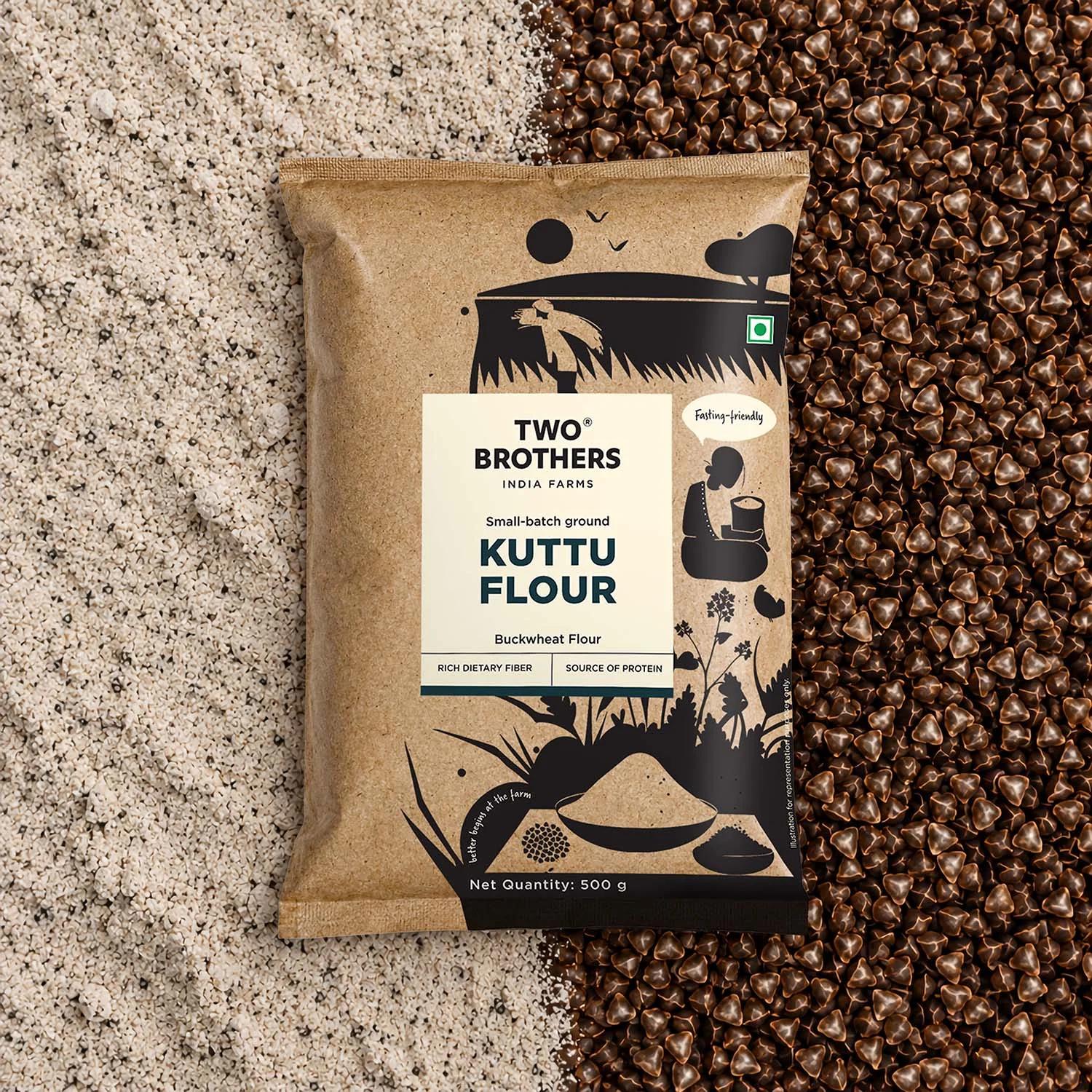
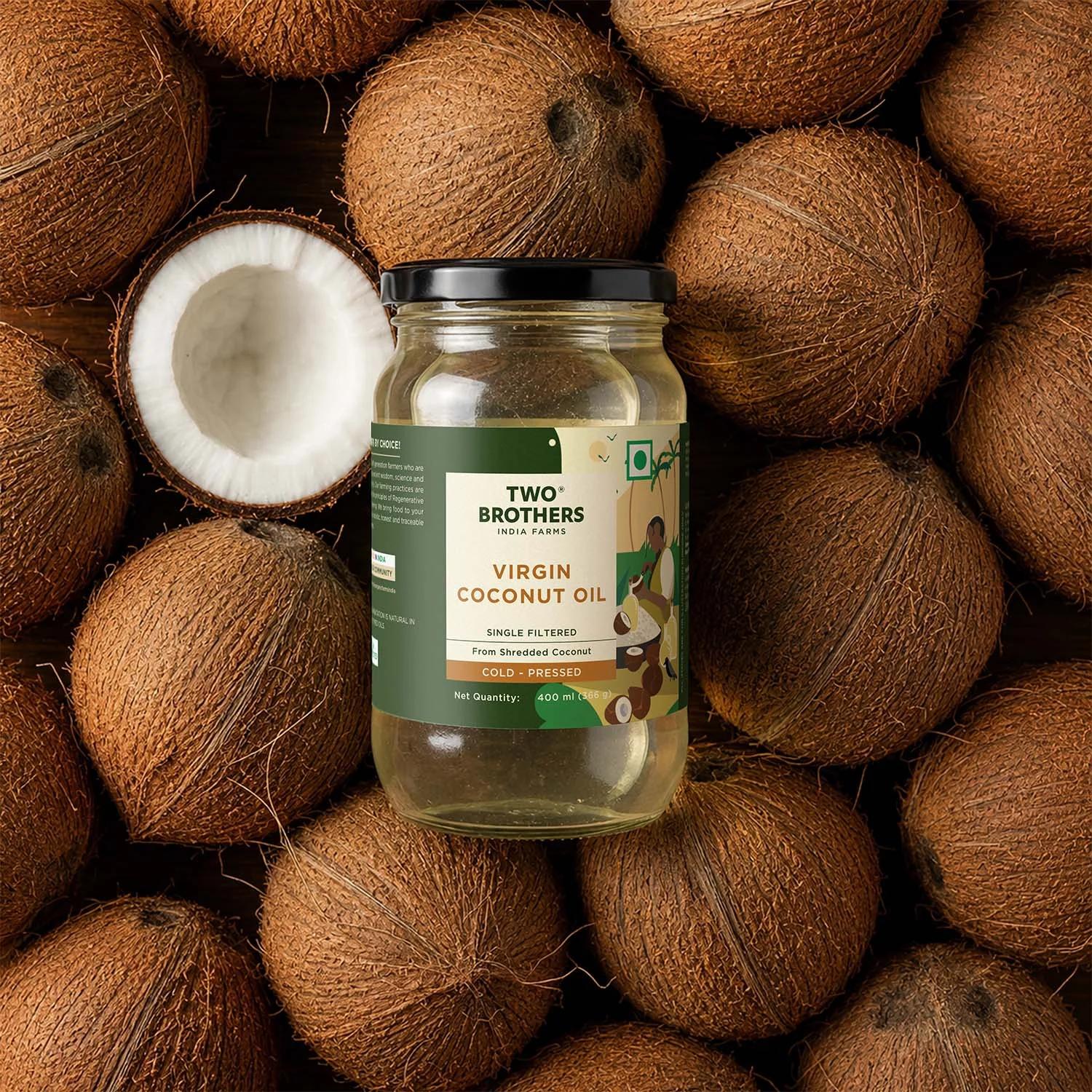
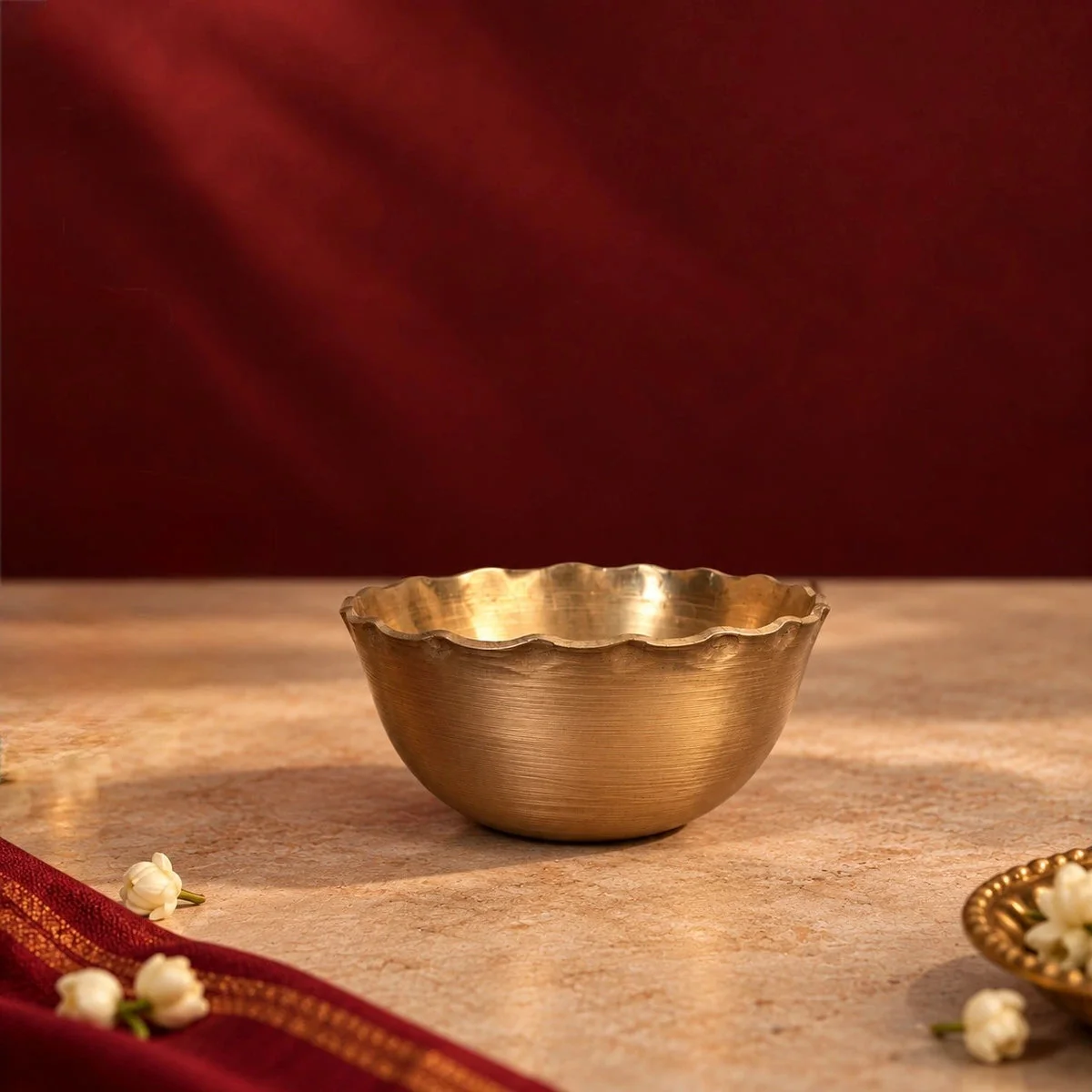
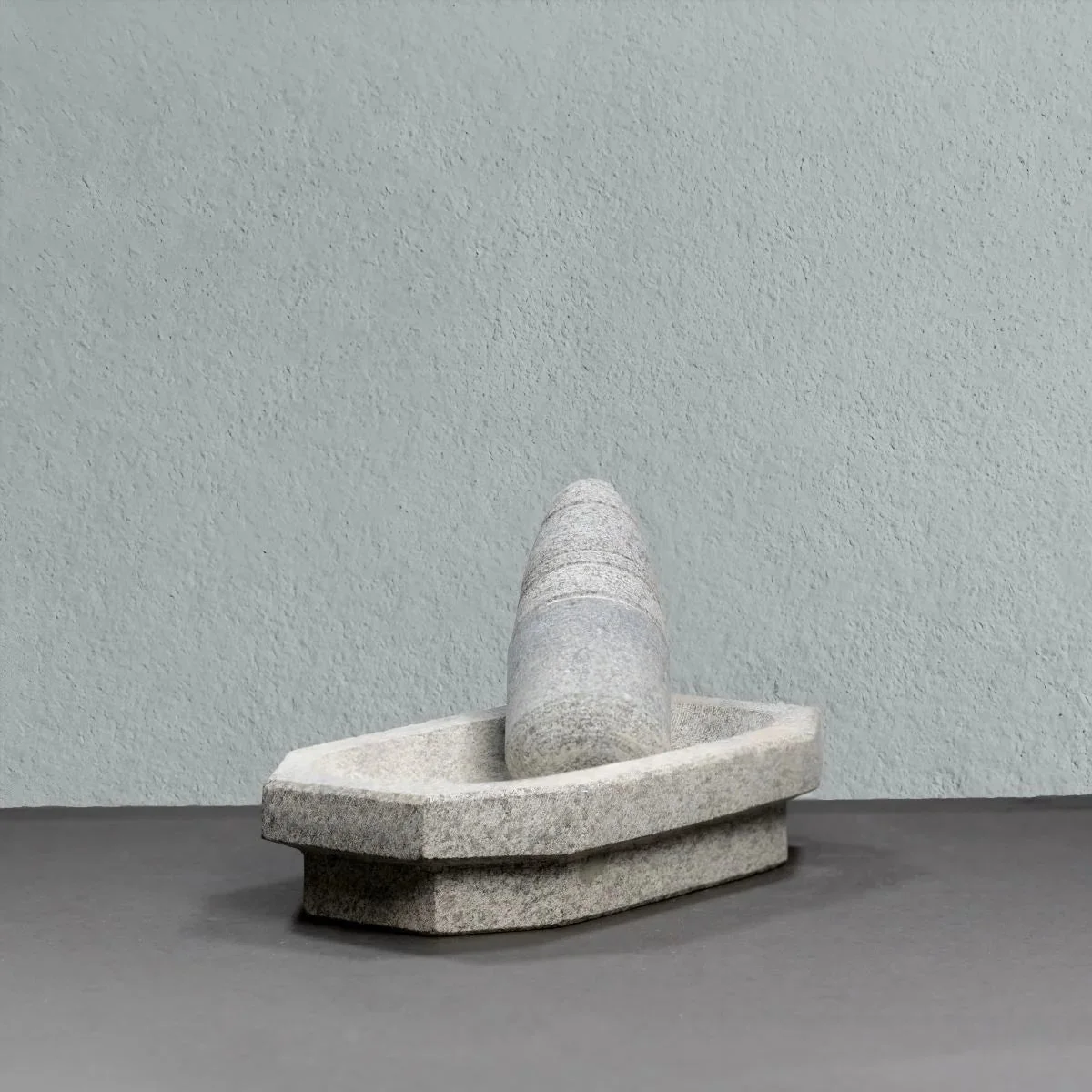
Questions people ask.
What does "non-toxic" actually mean on a product?
There is no legal definition of "non-toxic" or "chemical-free" for consumer products in India, so anyone can print it. A full published ingredient list is the only thing you can check. We list a product only when that list exists and contains nothing from our 15 flagged groups.
Which ingredients do you never allow?
Parabens, SLS/SLES, phthalates, synthetic fragrance, triclosan, formaldehyde releasers, mineral oil, PFAS, BPA, BHA/BHT, synthetic preservatives, artificial colours, artificial sweeteners, hydrogenated oils and added MSG. The field note "The ingredients we never allow" explains why each one is on the list.
Are paraben-free products always safer?
Not automatically. A product can drop parabens and use another preservative with its own concerns. That is why we read the whole list rather than trusting one "free from" claim on the front of the pack.
Do brands pay to be listed?
No. There are no paid placements. A product is listed because it passed the test, and it stays only while it keeps passing.