
Non-toxic cookware for an Indian kitchen.
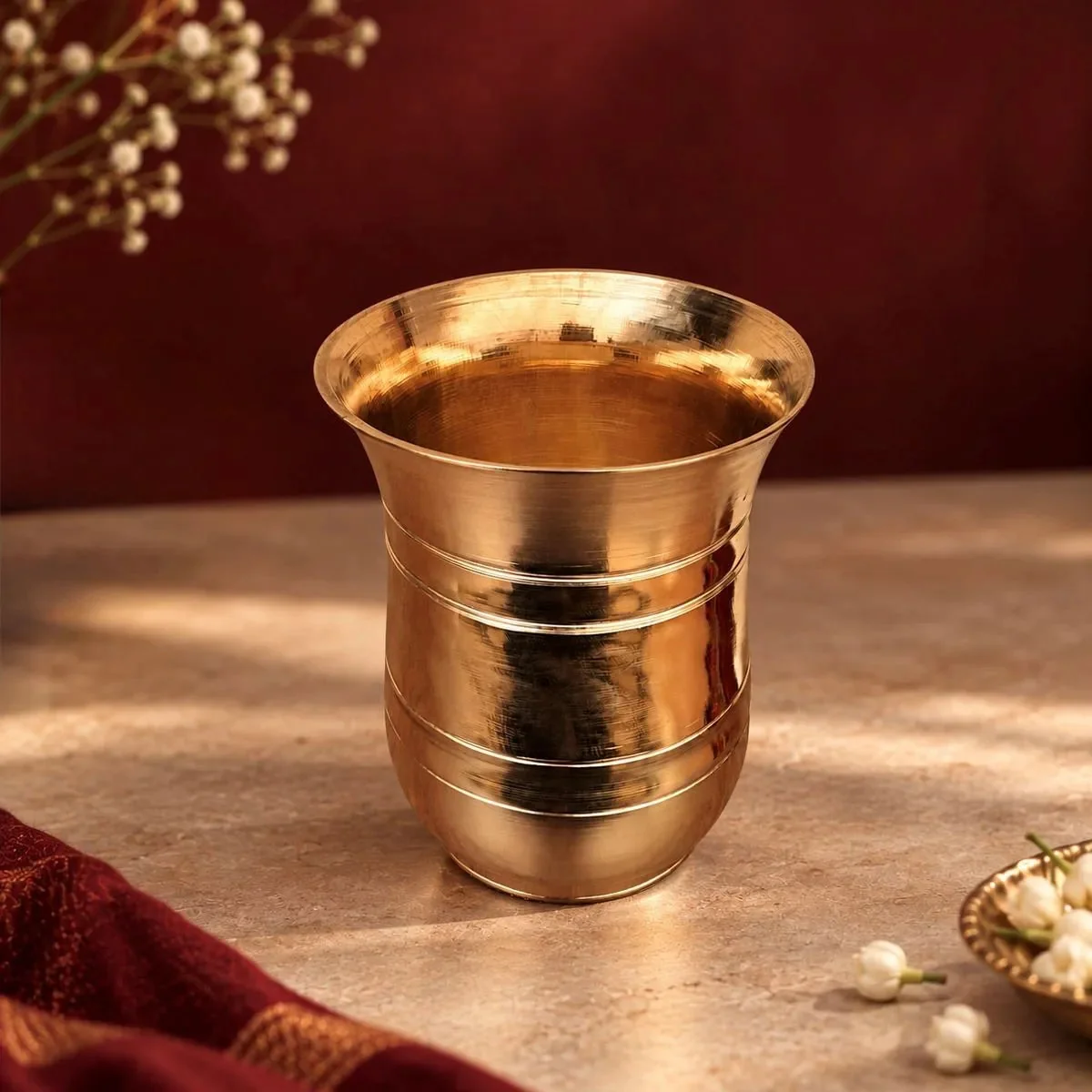
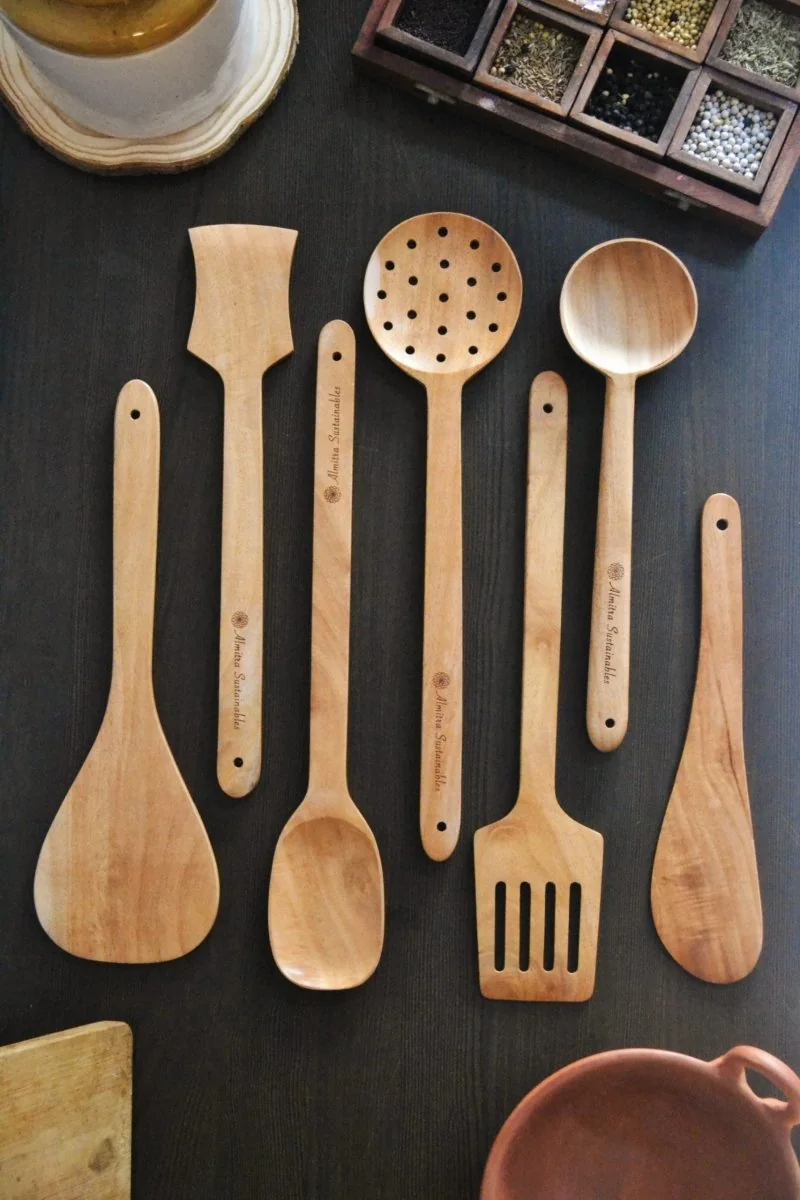
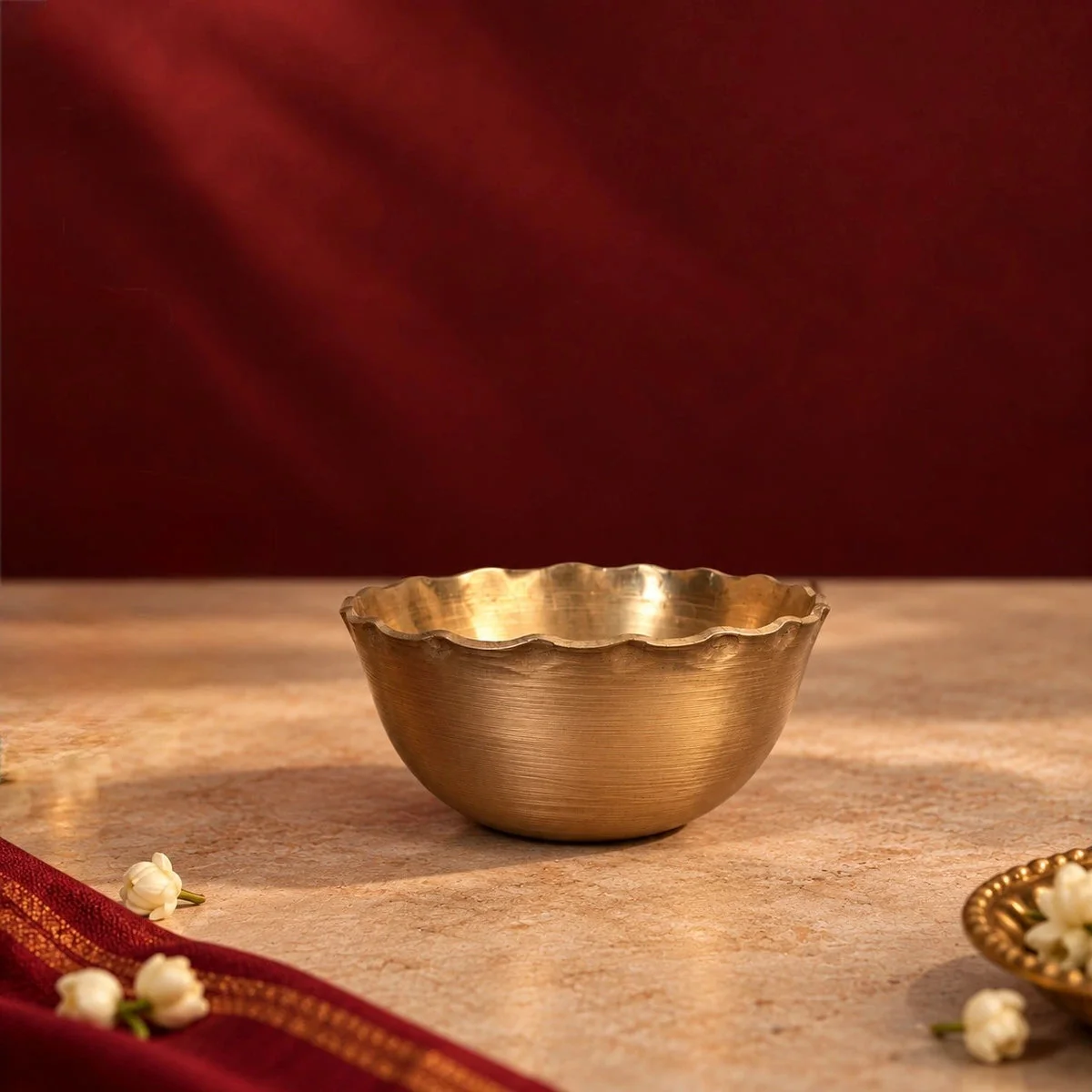
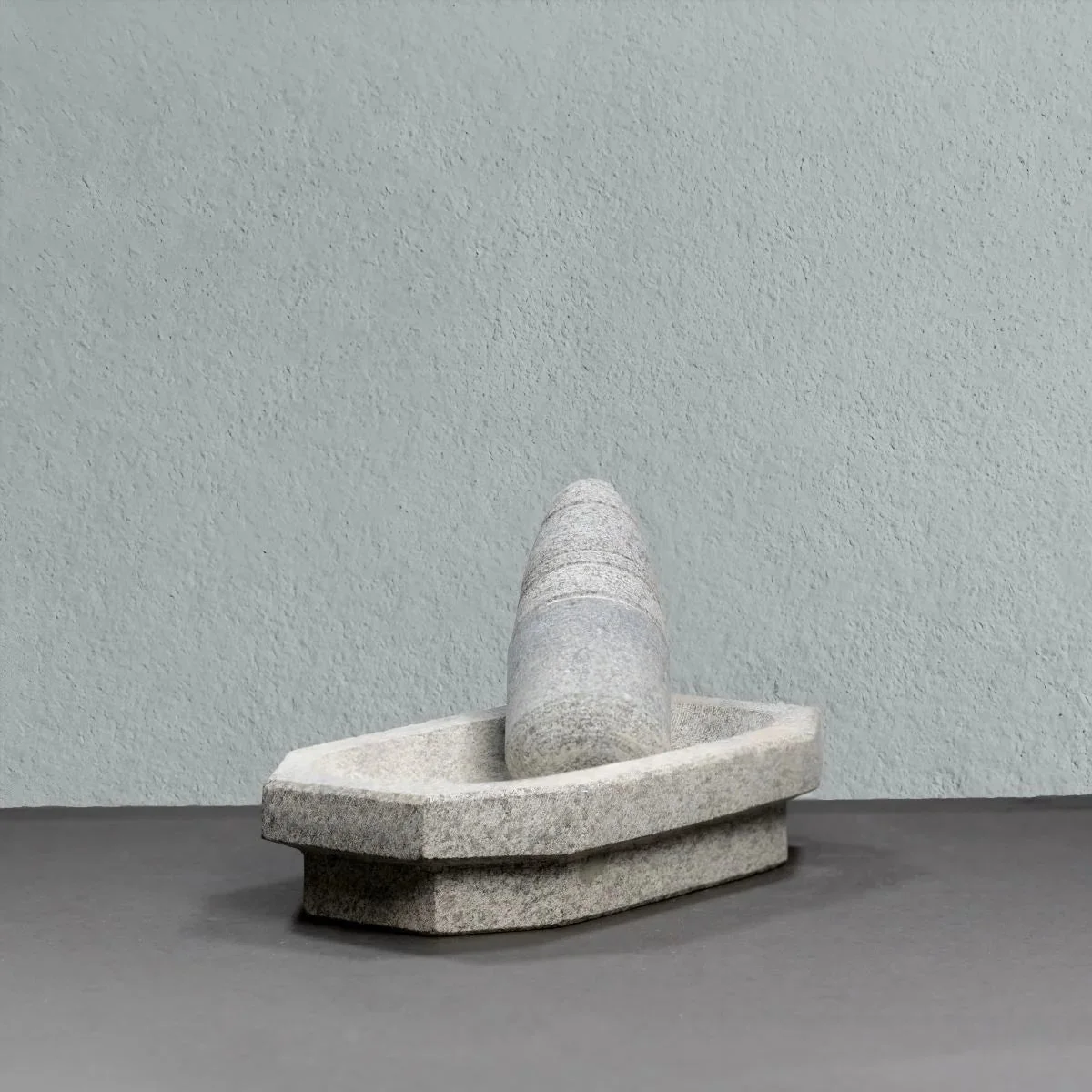
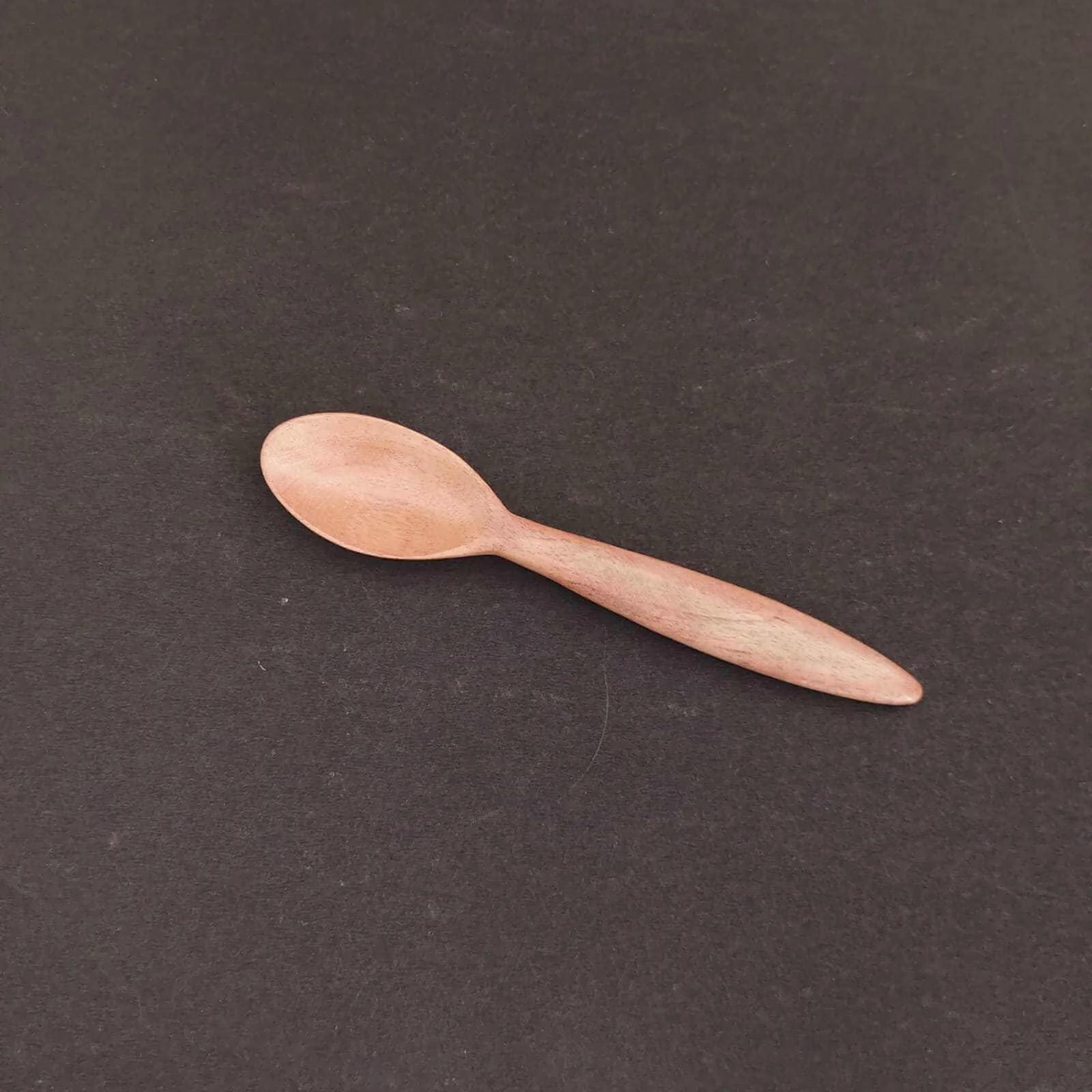
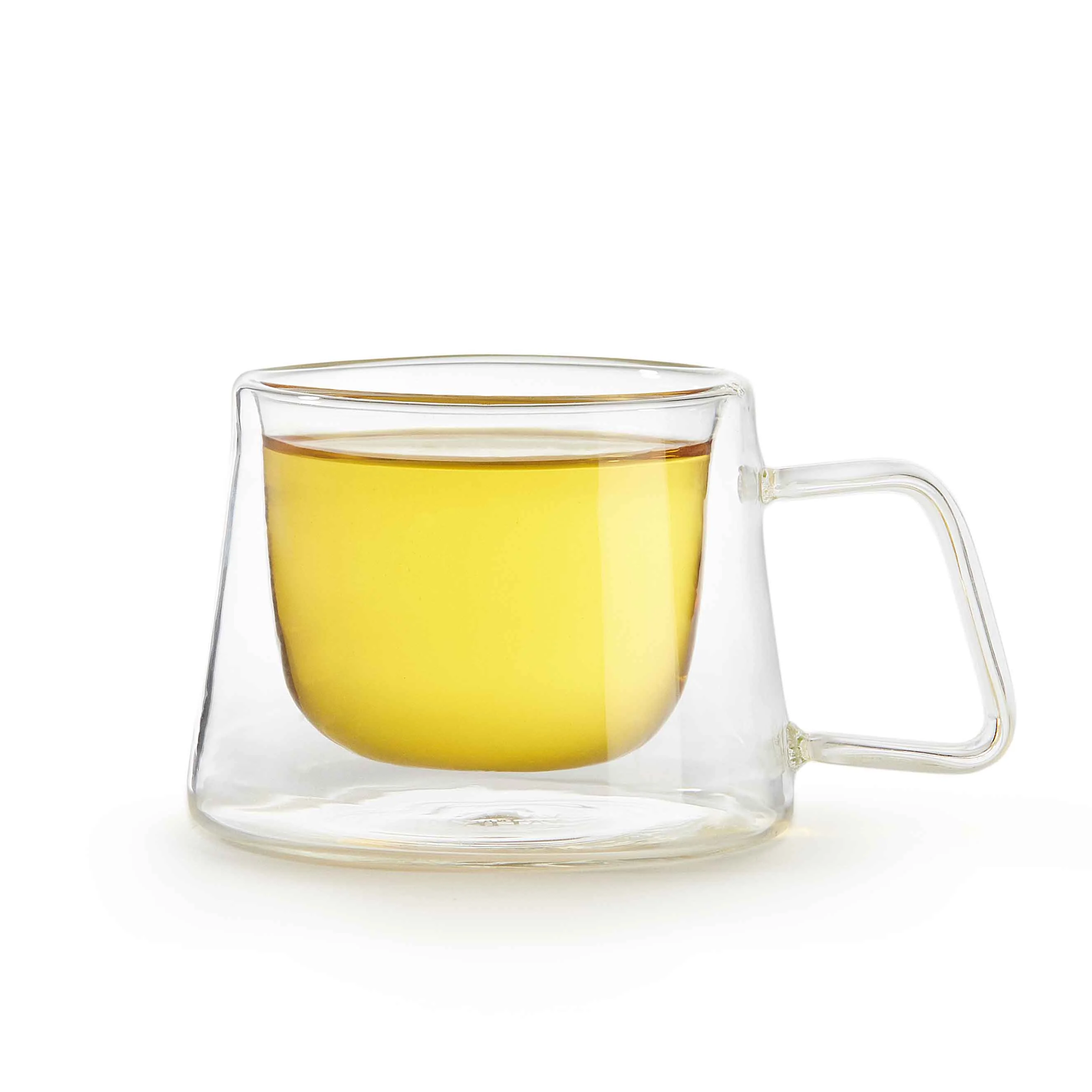
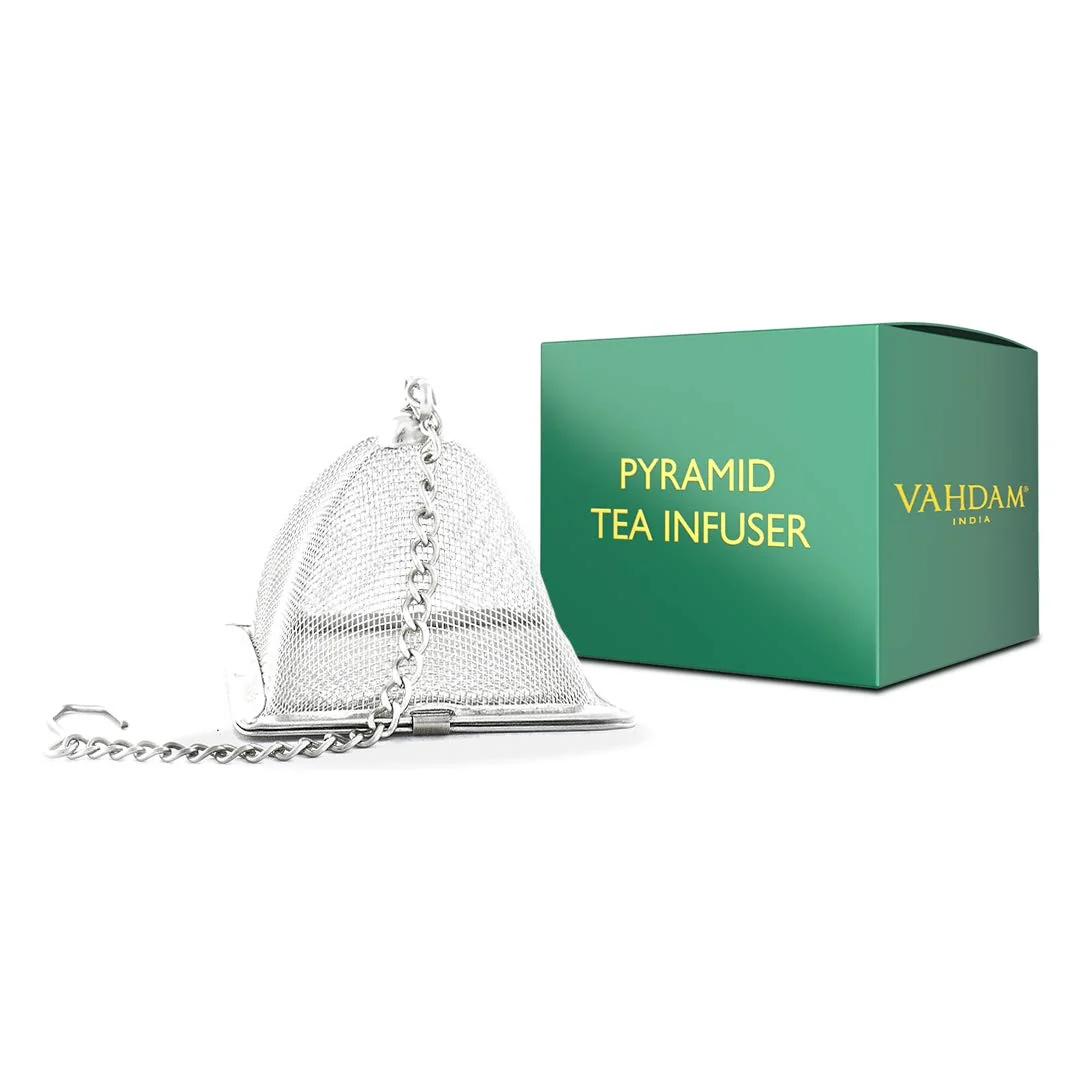
The simplest way to avoid worrying about a coating is to cook on something that has none. The pieces below are plain materials: cast iron, kansa (a copper and tin bronze), granite, neem wood, food-grade stainless steel and borosilicate glass. Each product page lists exactly what it is made of.
None carries a non-stick layer, so the PFAS question that surrounds coated pans does not arise. The trade-off is care: cast iron needs seasoning, kansa needs gentle washing, and wood needs drying.
The checked picks.
Questions people ask.
Is non-stick cookware safe?
Modern PTFE non-stick coatings are generally considered safe at normal cooking temperatures, but they can break down if a pan is overheated empty (above roughly 260 °C), and scratched coatings wear away over time. PTFE also belongs to the PFAS family of "forever chemicals", which regulators are restricting. Uncoated cast iron, steel, kansa and wood avoid the question.
Is aluminium kadai safe for cooking?
Bare aluminium releases more metal into food when it cooks something acidic or salty, such as tamarind or tomato curries, especially in old or pitted vessels. If you would rather avoid that, cast iron, stainless steel and kansa are common alternatives.
Cast iron vs iron tawa: which is better?
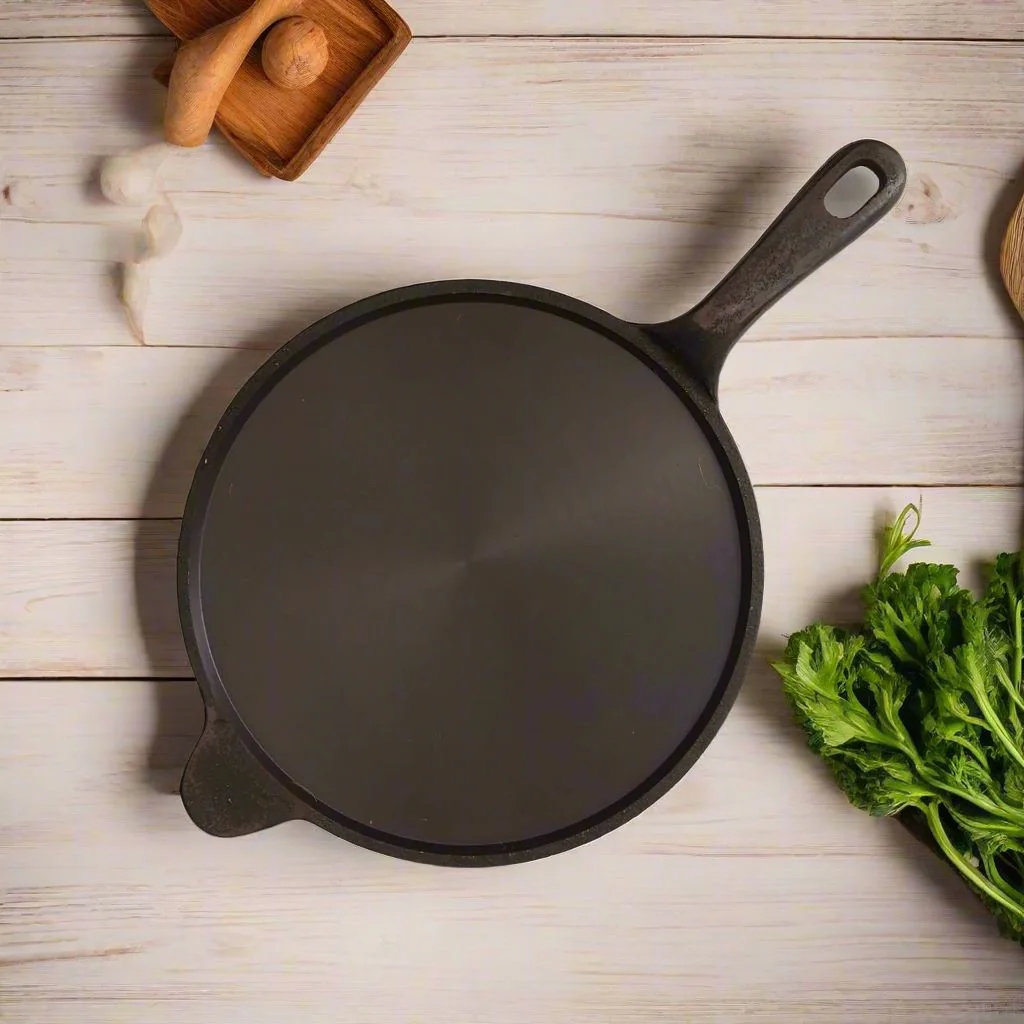
A cast iron tawa is poured into a mould, so it is thick and heavy and holds heat evenly, which suits dosa. A sheet-iron tawa is thinner and lighter and heats faster, which many cooks prefer for roti. Both are uncoated and both need seasoning.
How do I season a cast iron tawa?
Wash it, dry it completely over the flame, rub a very thin layer of oil over the whole surface, and heat it until it just starts to smoke. Let it cool and repeat a few times. After cooking, wash without harsh scrubbing, dry on the flame, and wipe on a drop of oil.